
March 2, 2026
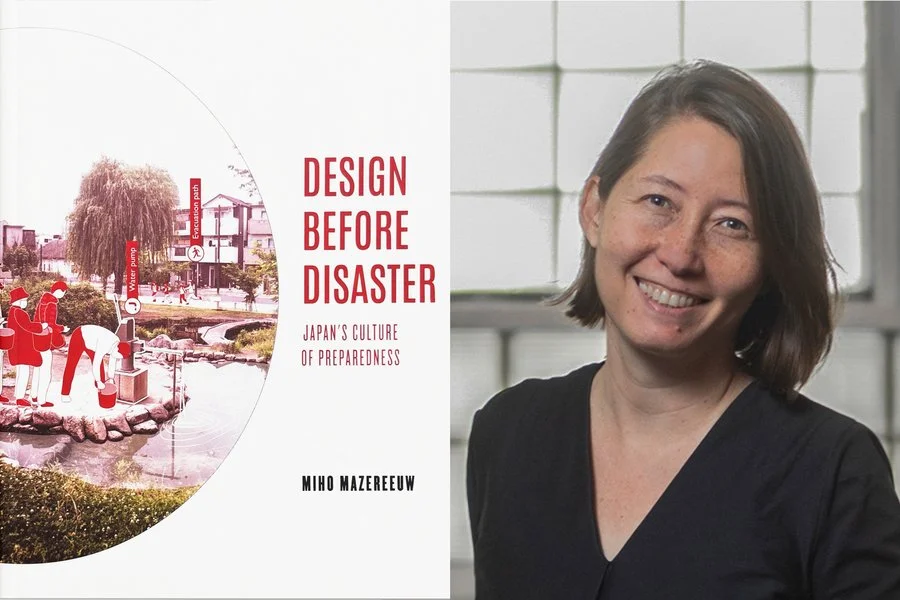
MIT News recently featured an interview with Miho Mazereeuw, associate professor of architecture and director of MIT’s Urban Risk Lab, about her new book, Design Before Disaster: Japan’s Culture of Preparedness. The book examines how buildings, public spaces, and infrastructure in Japan can serve everyday needs while also supporting communities during disasters. Mazereeuw describes this approach as “anticipatory design,” emphasizing preparation through design rather than relying primarily on action after a disaster occurs.
The interview highlights examples including schools with rooftop pools and rainwater storage, solar power systems, and public parks equipped with cooking facilities, water storage, and flood management features. Mazereeuw also discusses how these strategies can connect everyday activities with disaster preparedness, helping people become familiar with spaces that may serve as evacuation or emergency resources.
Mazereeuw also emphasizes the role of community participation in shaping disaster preparedness. Drawing on more than 30 years of research in Japan, she discusses how planners, designers, government agencies, and local residents can work together to develop solutions that respond to both safety needs and community priorities. She notes that the Japanese approach is not something to simply replicate elsewhere, but can provide examples for communities developing their own approaches to disaster preparedness.
Read the full MIT News article here.